
Dangerous Goods
Key Services
Compliance with International Regulations
We strictly follow every transport procedure under the IATA Dangerous Goods Regulations (DGR) and the IMO International Maritime Dangerous Goods (IMDG) Code. We meet the legal requirements and safety standards essential to air and ocean transport, and apply precise labeling, packaging, and stowage standards to ensure safe transport.
Identification and Classification
We thoroughly identify the hazard class and hazards of each shipment and apply the matching packaging and handling procedures. We plan the right transport method for each type of dangerous goods and carefully prepare all required documents.
Professional Packaging and Labeling
Dangerous goods require special packaging and hazard labels. We have packaging materials and labeling systems that meet international standards. We pack according to UN Packing Groups I, II, and III, and safely handle cargo of all sizes and shapes.
Cargo Tracking and Management System
Your dangerous goods are monitored throughout transport by a real-time tracking system. You can check the location and status of your cargo anytime, anywhere, and our systematic management allows a rapid response.
Professionally Trained Team
Our team is made up of staff with specialized training in dangerous goods transport. Experienced professionals take charge of safe transport at every step, from chemical properties and emergency response to regulatory compliance.
Customized Solutions
We recommend transport methods tailored to the characteristics of each shipment and your requirements. From small quantities of chemicals to large industrial shipments, we help move your cargo safely and quickly.
Classification of Dangerous Goods
The UN Committee of Experts on the Transport of Dangerous Goods has standardized dangerous goods into Classes 1 through 9 according to their properties, and has assigned a unique four-digit number to each individual substance and article within each class based on its characteristics.
| Class | Division |
|---|---|
| 1. Explosives | 1.1 Substances and articles which have a mass explosion hazard 1.2 Substances and articles which have a projection hazard but not a mass explosion hazard 1.3 Substances and articles which have a fire hazard and either a minor blast hazard or a minor projection hazard or both, but not a mass explosion hazard 1.4 Substances and articles which present no significant hazard 1.5 Very insensitive substances which have a mass explosion hazard 1.6 Extremely insensitive articles which do not have a mass explosion hazard |
| 2. Gases | 2.1 Flammable gases 2.2 Non-flammable, non-toxic gases 2.3 Toxic gases |
| 3. Flammable liquids | — |
| 4. Flammable solids; substances liable to spontaneous combustion; substances which, in contact with water, emit flammable gases | 4.1 Flammable solids 4.2 Substances liable to spontaneous combustion 4.3 Substances which, in contact with water, emit flammable gases |
| 5. Oxidizing substances and organic peroxides | 5.1 Oxidizing substances 5.2 Organic peroxides |
| 6. Toxic and infectious substances | 6.1 Toxic substances 6.2 Infectious substances |
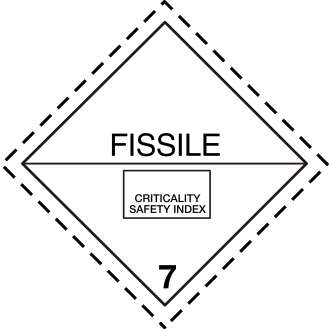
| 7. Radioactive material | — |
| 8. Corrosive substances | — |
| 9. Miscellaneous dangerous substances and articles | — |
MSDS (Material Safety Data Sheet)
An MSDS is a document containing safety and health information on a chemical substance. It gives the people who use the chemical the information they need to minimize the risks of exposure, and it is essential for confirming whether, and how, the substance can be shipped as dangerous goods by air or sea. Under the Occupational Safety and Health Act of Korea, anyone intending to manufacture or import a chemical substance that meets the classification criteria, or a mixture containing one, must prepare an MSDS and submit it to the Minister of Employment and Labor.
Packaging of Dangerous Goods
Packaging is a key element of safe dangerous goods transport. Every shipper wants their goods to reach the destination intact, and the correct packaging method for dangerous goods is set out in the regulations (DGR and IMDG Code). The regulations may limit the quantity allowed in a single package, require inner packagings inside a sturdy outer packaging, or call for absorbent material and the like.
Marking and Labeling of Dangerous Goods
Accurate marking and labeling of dangerous goods packages is an important part of transporting dangerous goods safely. The shipper is responsible for correctly marking and labeling every package to be shipped, and the dangerous goods acceptance staff of the freight forwarder and the operator (airline) must also confirm that every package is correctly marked and labeled before it is loaded.
What Marks and Labels Tell You
- They identify the contents of a dangerous goods package.
- They show that the package conforms to dangerous goods packaging standards.
- They provide information for the safe handling and storage of the package.
- They indicate the nature of the hazard.
Dangerous Goods Labels
| Class | Label | ||
|---|---|---|---|
| 1 | 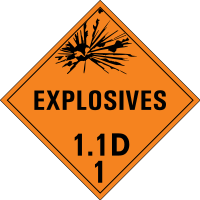 | 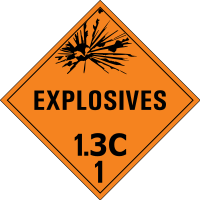 | 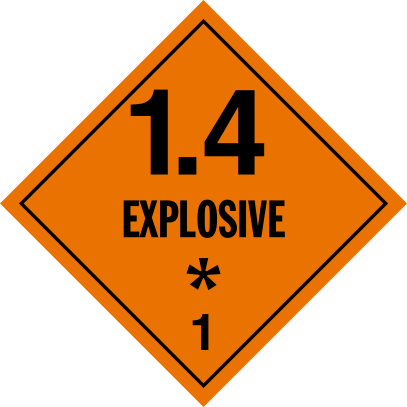 * = compatibility group letter (e.g., 1.4S) |
 | 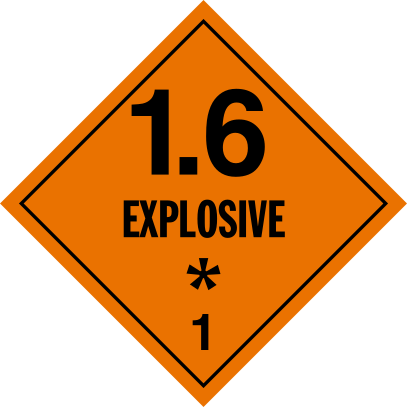 | ||
| 2 | 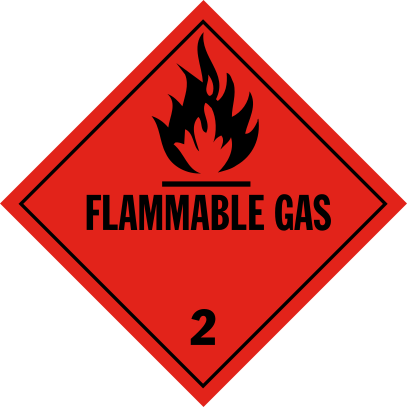 | 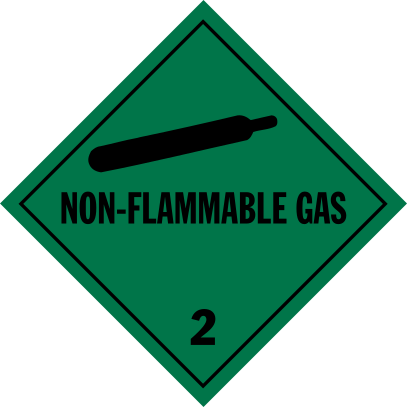 |  |
| 3 | 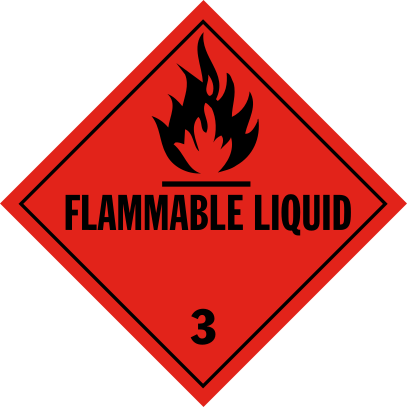 | ||
| 4 |  | 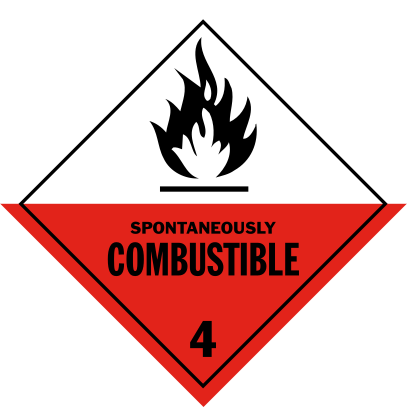 | 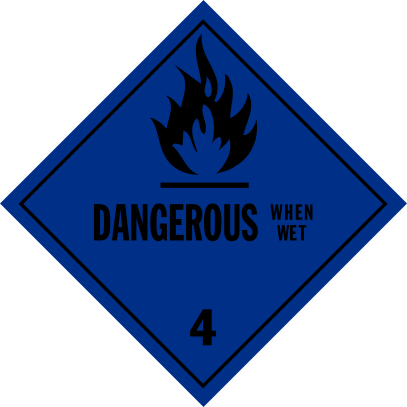 |
| 5 | 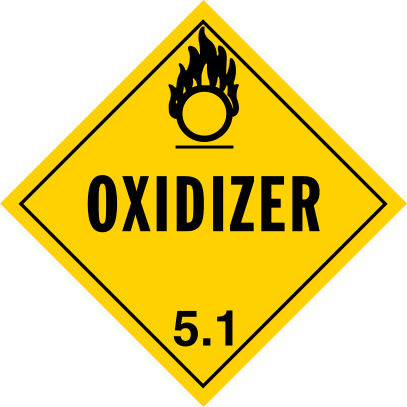 |  | |
| 6 | 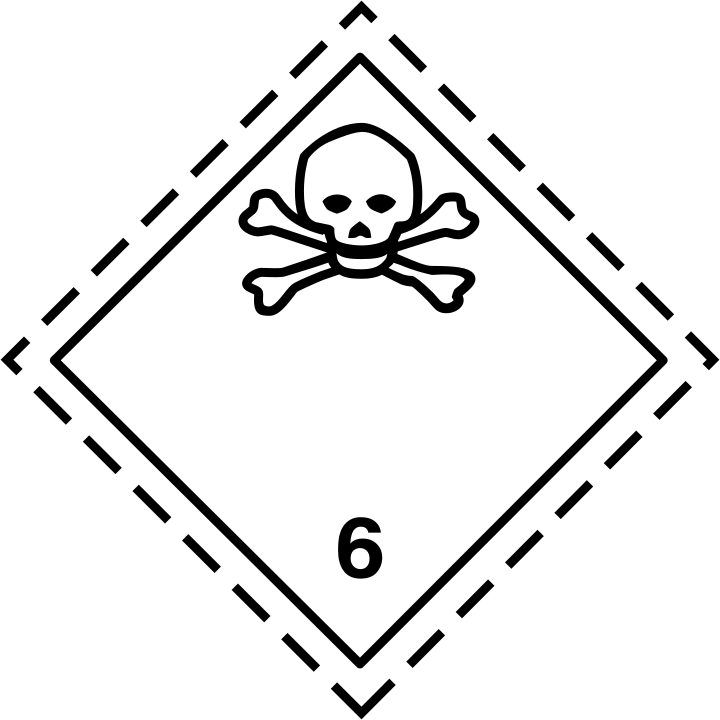 |  | |
| 7 | 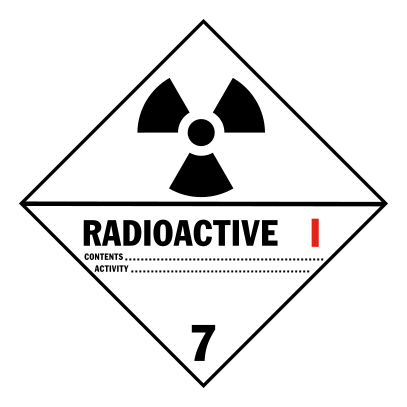 | 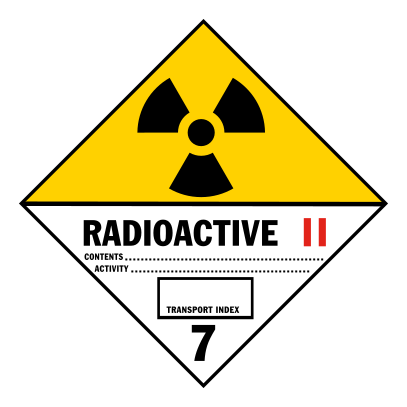 | 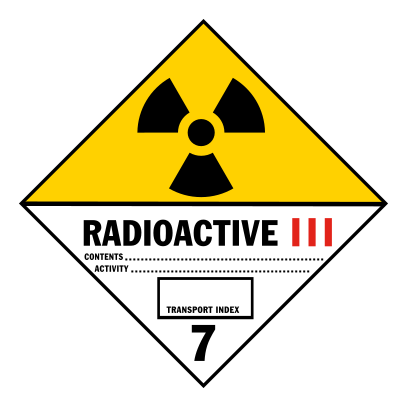 |
 | |||
| 8 | 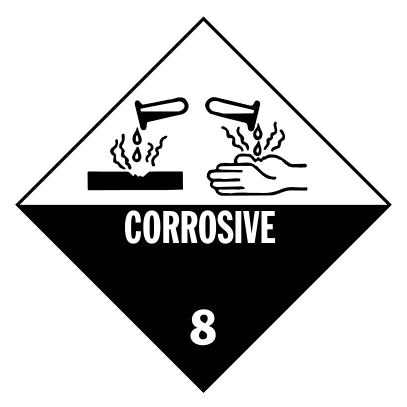 | ||
| 9 |  |  | |
Label designs shown are samples based on the UN Recommendations on the Transport of Dangerous Goods. Actual marking follows the latest regulations for each mode of transport (ocean, air, etc.) and the instructions of the shipping line or airline.